RESEARCH
Chemical PROBES
FOR UNDERSTUDIED KINASES
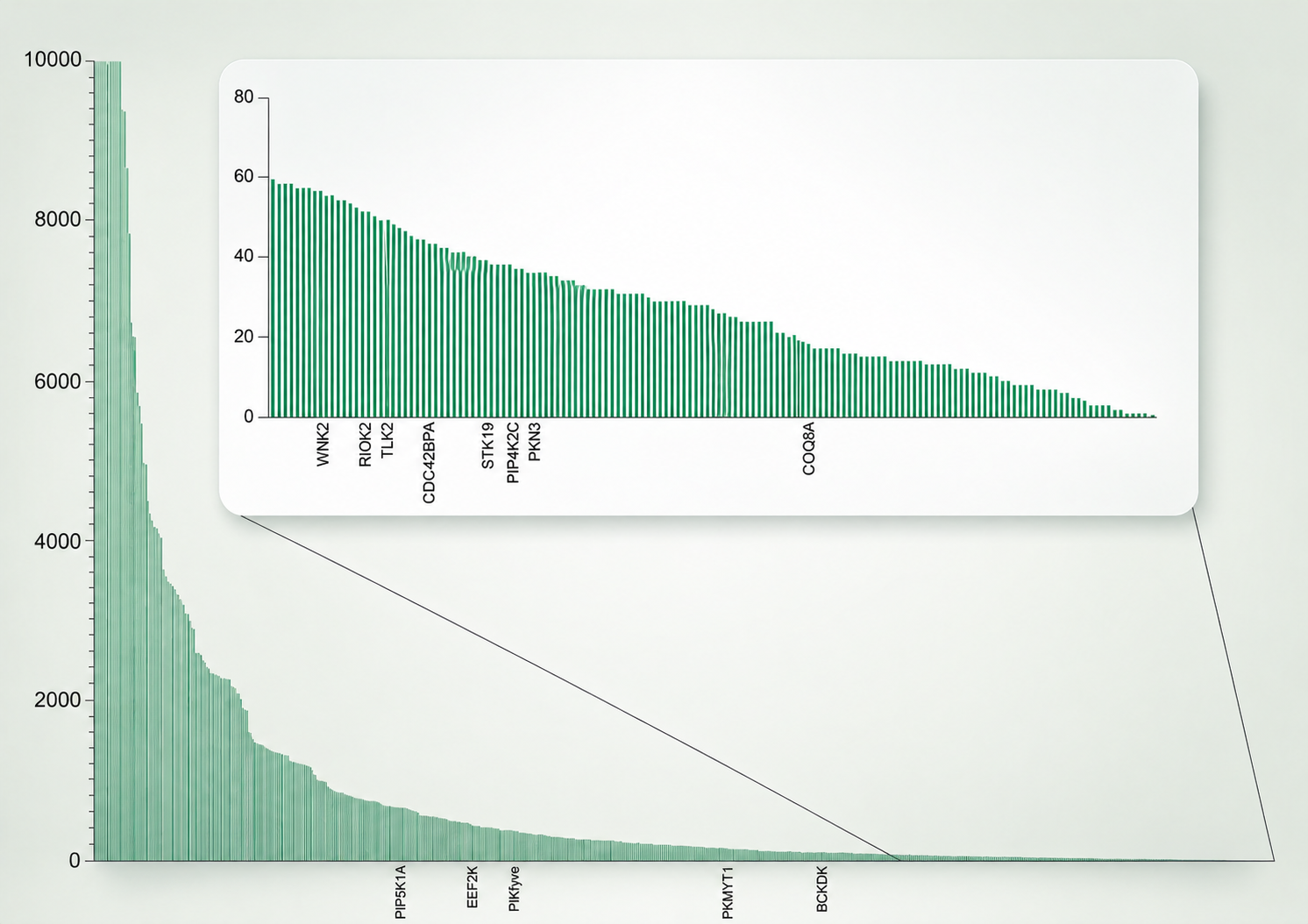
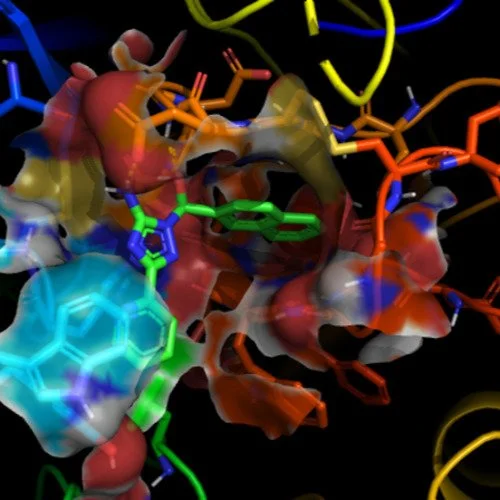
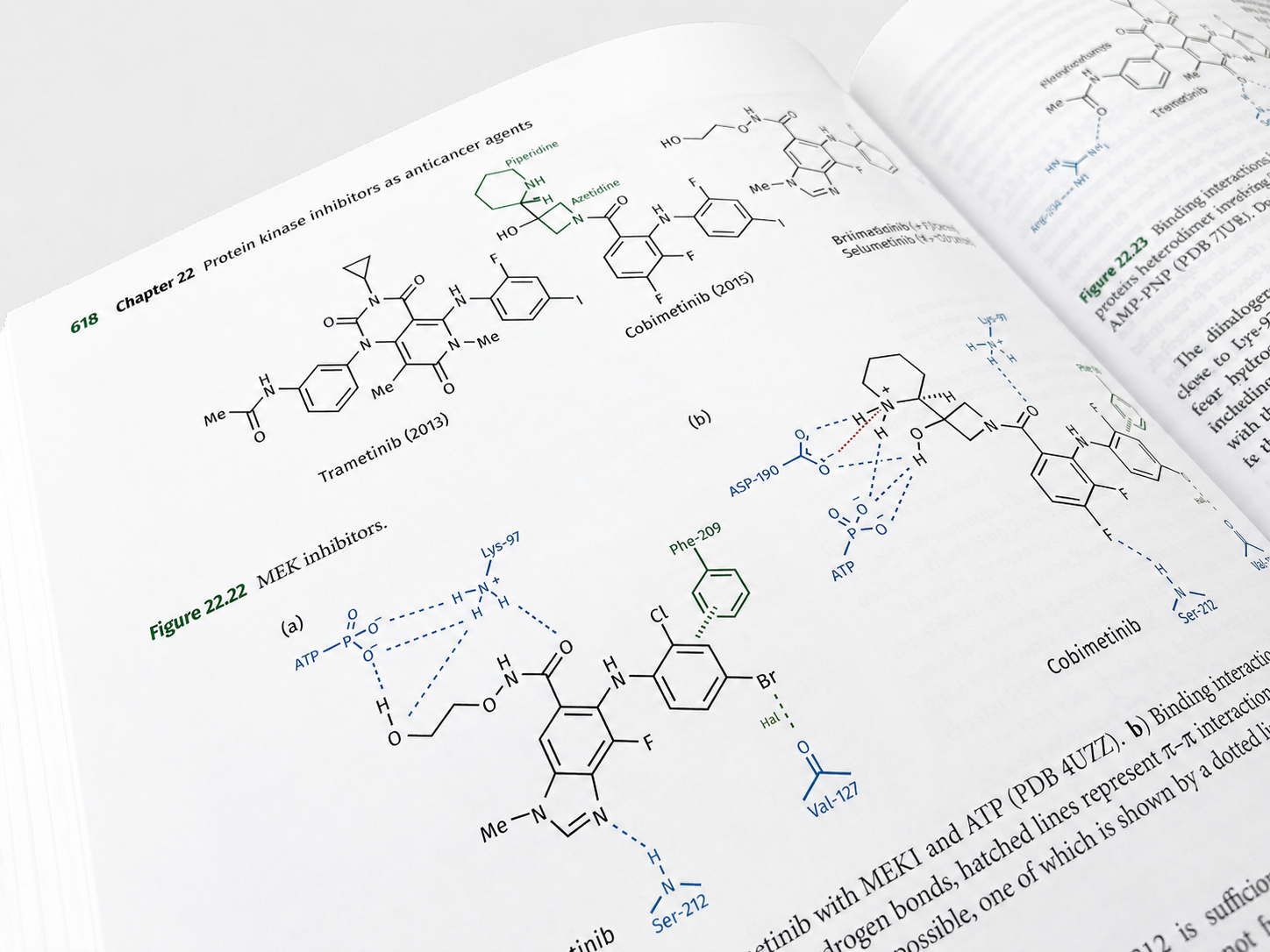
Kinases represent a highly successful target class, with over 100 FDA-approved drugs highlighting their critical role in modern drug discovery. Leveraging this wealth of knowledge for the development of chemical probes for understudied kinases is essential to expand our understanding, particularly for indications beyond oncology. Utilizing advanced design strategies and selective binding approaches, we generate highly specific probes to interrogate kinase function in cellular contexts. These tools not only illuminate biological mechanisms but also help validate novel targets for drug discovery. These efforts aim to focus on the advancement of novel therapeutics toward a broad-spectrum kinase indications.
Selective kinase drugs
beyond cancer
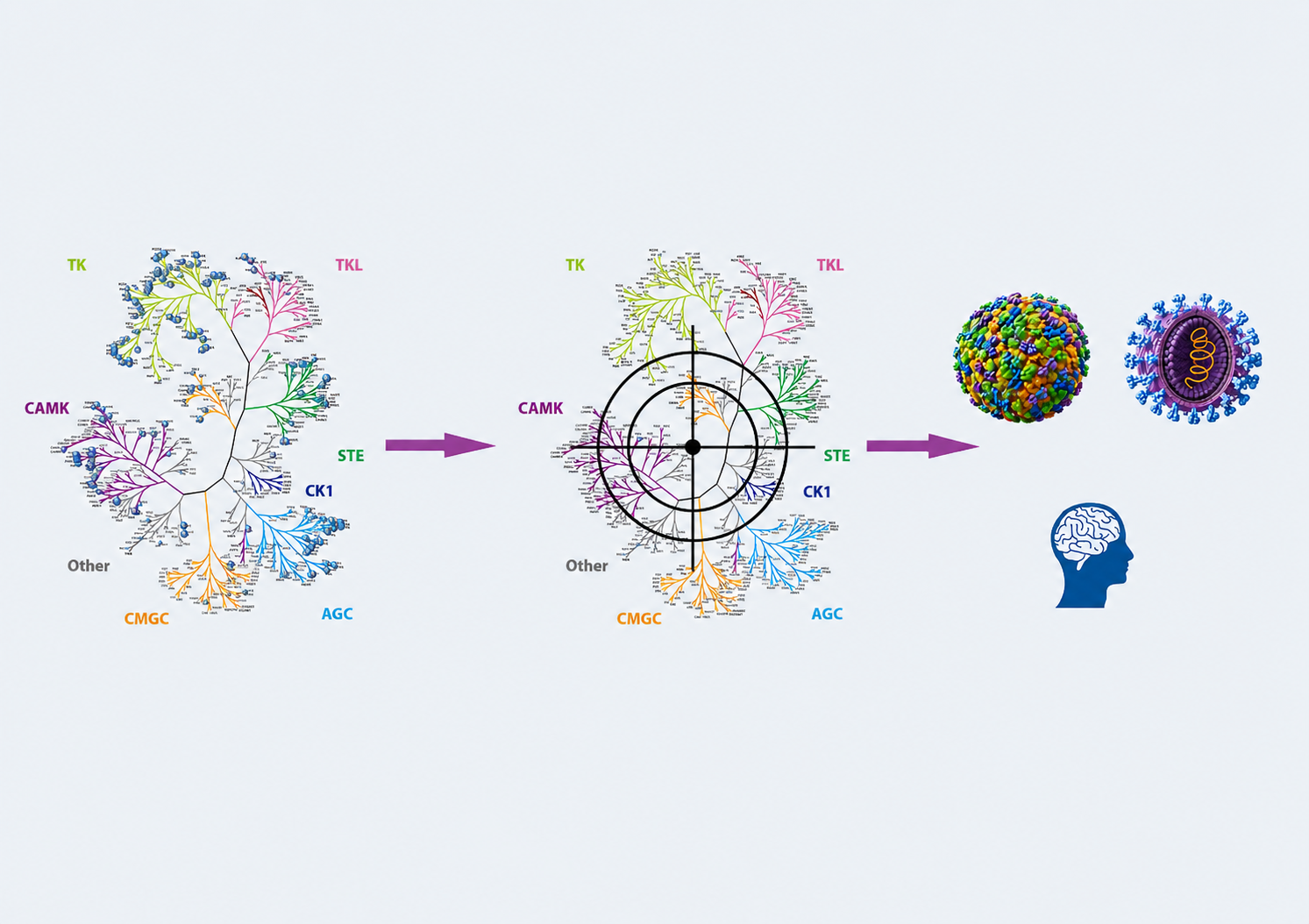
Small-molecule inhibitors targeting protein kinases are emerging as promising therapeutics beyond oncology due to their ability to modulate signaling pathways implicated in diverse diseases. In neurodegenerative disorders such as Parkinson's disease, kinase inhibitors can regulate processes including protein aggregation, neuroinflammation, and neuronal survival. Similarly, in viral infections, host and viral kinases play key roles in replication and immune evasion, making them attractive as antiviral targets. Similarly, in antimicrobial applications, targeting kinase-mediated signaling in pathogens or host–pathogen interactions present opportunities to combat drug-resistant infections including tuberculosis and E. Coli. Overall, small-molecule kinase inhibitors provide a versatile framework for developing novel therapeutics across neurodegenerative, antiviral, and antimicrobial disease areas by selectively modulating critical signaling networks.
SOLVENT DYNAMICS
targeting water network
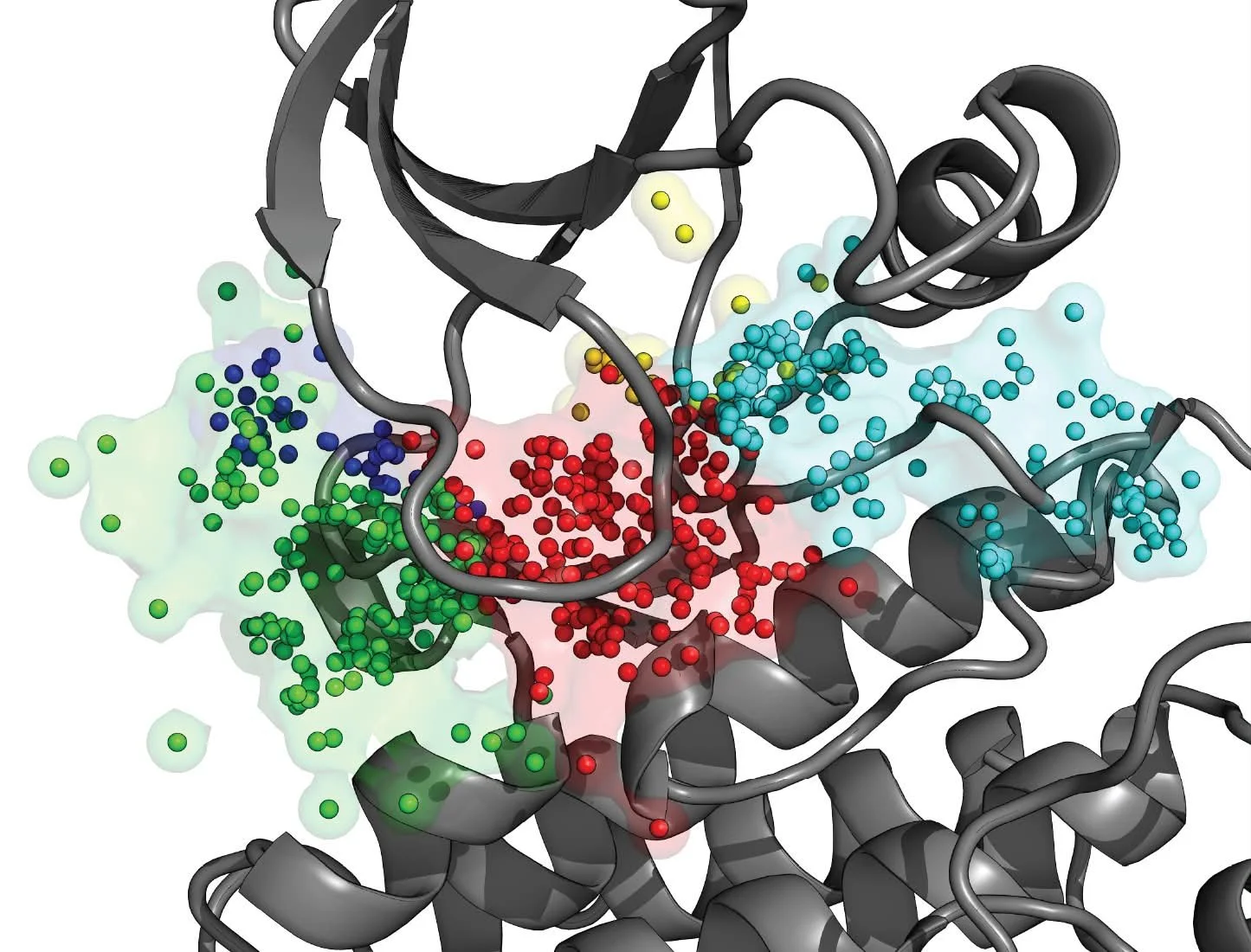
Solvent dynamics critically influence protein–ligand binding, as structured water molecules contribute to binding energetics through their displacement or stabilization. Targeting these water networks enables us to exploit cooperative hydrogen-bonding effects that impact affinity and specificity. In protein kinases, where active sites are highly conserved, solvent structure provides an additional layer for achieving selectivity. Our aim is to rationally modulate water networks in kinase binding pockets to enhance inhibitor potency while minimizing off-target interactions.
HETEROCYCLIC CHEMISTRY
FOR DRUG DISCOVERY
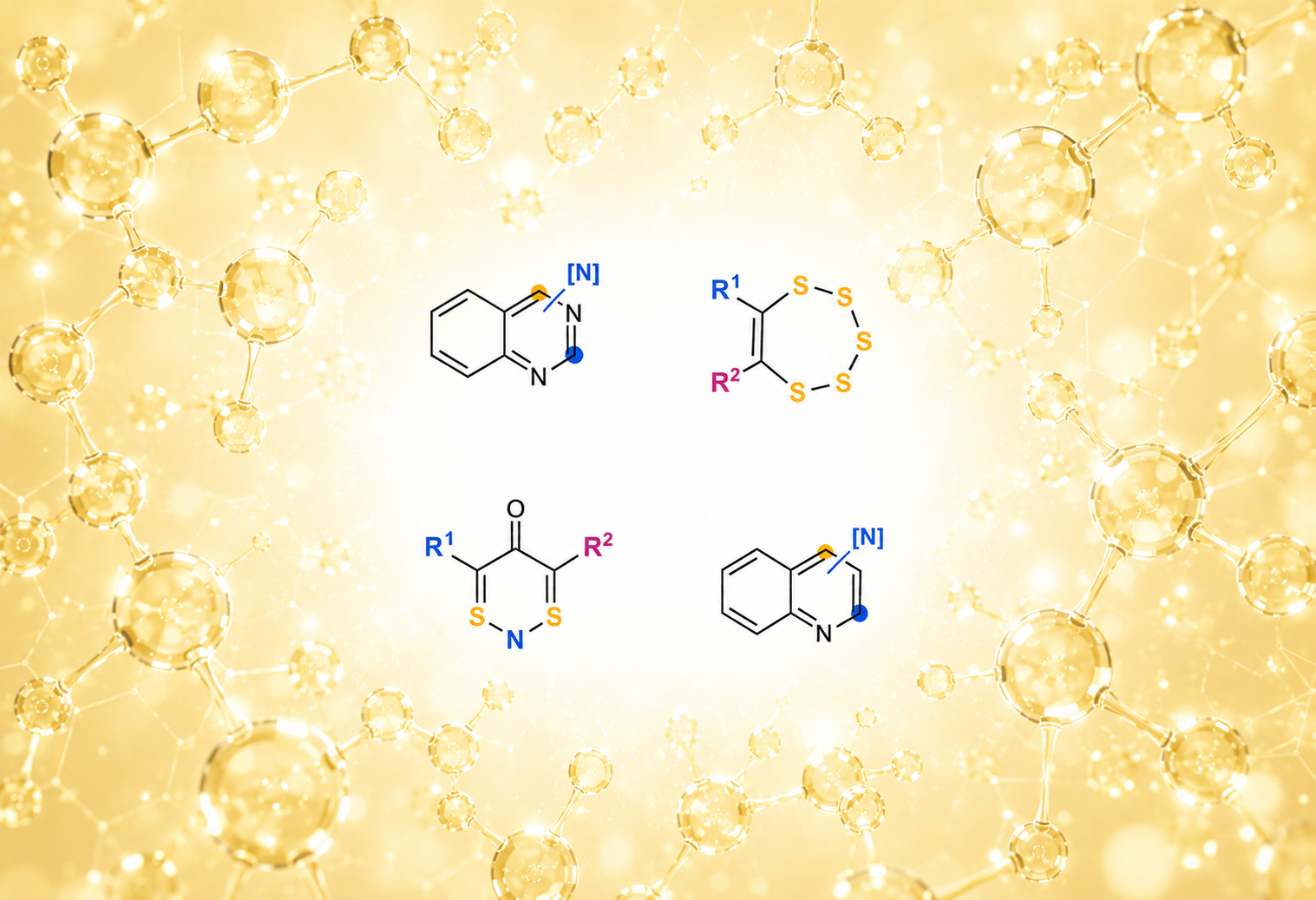
Drug candidates are synthesized through novel synthetic routes that address the evolving demands of today’s pharmaceutical industry, including efficiency, sustainability, and structural diversity. We aim to adopt and improve these modern approaches, with an emphasis on streamlined processes that reduce steps, waste, and cost while enabling access to complex heterocyclic frameworks. Together, up-to-date synthetic techniques and strategic scaffold design are accelerating the discovery of next-generation therapeutic agents.
OUR Collaboration Network
Our medicinal chemistry laboratory operates within a dynamic global network of collaborators spanning multiple scientific disciplines.
This interdisciplinary and international collaboration framework accelerates innovation, enhances translational impact, and ensures that our research benefits from diverse expertise and cutting-edge methodologies worldwide.







Finland